
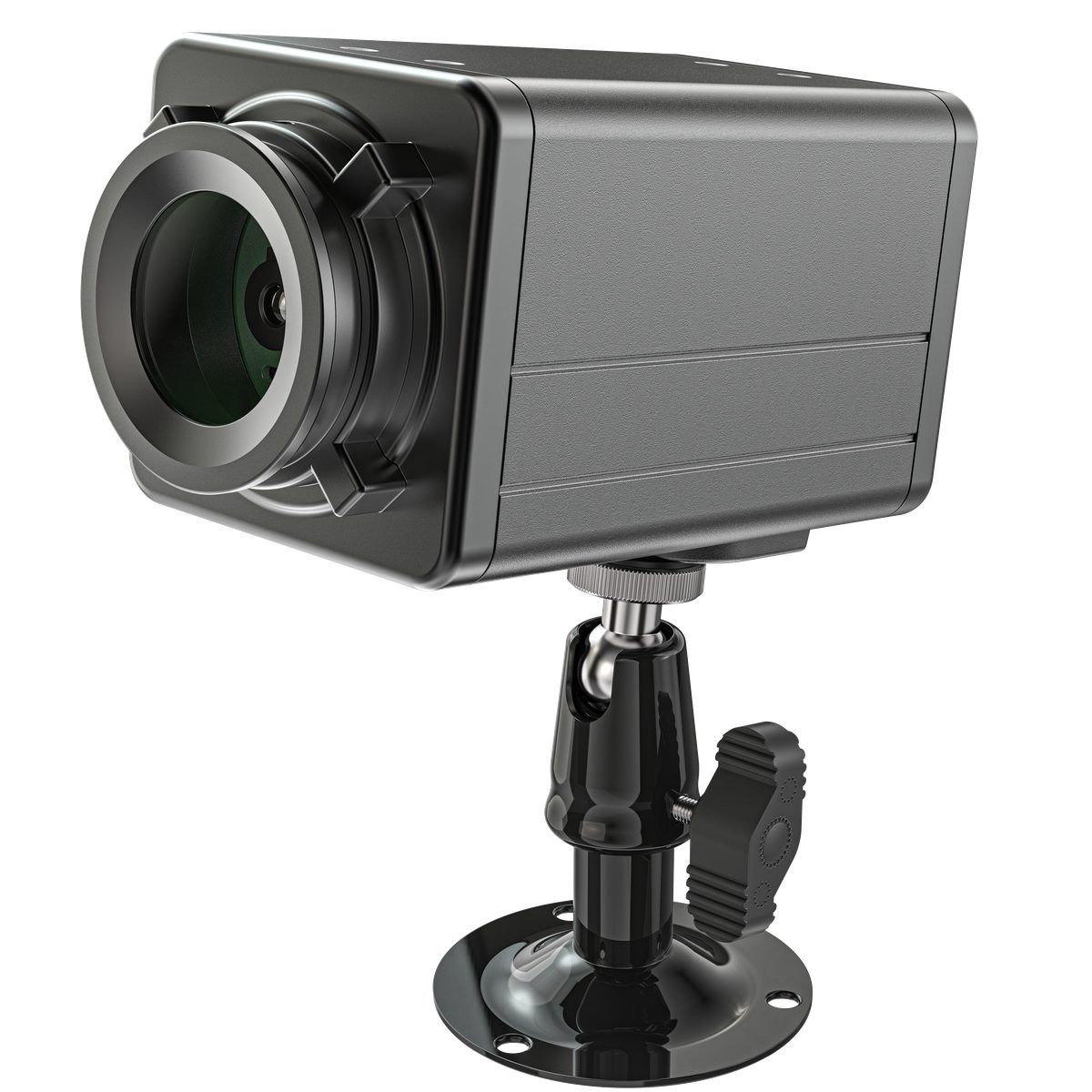
Smart Lighting Sensors
Smart lighting sensors and accessories for adaptive dimming, traffic-aware lighting, environmental monitoring, and project-specific IoT integration.
Description
Smart lighting sensors and accessories for adaptive dimming, traffic-aware lighting, environmental monitoring, and project-specific IoT integration.
- Connectivity and interfaces: RS485, UART, Modbus, I/O, Adaptive dimming, Sensor integration
- Product category: Adaptive street lighting sensors for traffic-aware dimming and demand-based road lighting control.
- Core function: Detects vehicle presence or traffic flow and provides data for adaptive dimming strategies that balance safety and energy saving.
- Interfaces: RS485, UART TTL, Modbus, and I/O output options support integration with smart lighting controllers.
- Outdoor design: Outdoor-ready sensor options with wide-temperature and IP-rated protection for road lighting environments.
- Buyer question: What problem does it solve? It helps avoid full-brightness lighting during low-traffic periods while maintaining visibility when vehicles appear.
- Buyer question: Can it be integrated with existing controllers? Yes, when the controller supports compatible RS485, UART, Modbus, or I/O input logic.
- Project applications: City roads, highways, industrial parks, school zones, residential roads, campuses, scenic roads, and energy-saving lighting projects.
- Procurement question: Provide road type, mounting height, detection distance, controller interface, and dimming strategy requirements.
Specifications
Review the main configuration points for Smart Lighting Sensors, including control method, network, monitoring, interfaces, and deployment fit.
- Product category
- Adaptive street lighting sensors for traffic-aware dimming and demand-based road lighting control.
- Core function
- Detects vehicle presence or traffic flow and provides data for adaptive dimming strategies that balance safety and energy saving.
- Interfaces
- RS485, UART TTL, Modbus, and I/O output options support integration with smart lighting controllers.
- Outdoor design
- Outdoor-ready sensor options with wide-temperature and IP-rated protection for road lighting environments.
- Buyer question
- What problem does it solve? It helps avoid full-brightness lighting during low-traffic periods while maintaining visibility when vehicles appear.
- Buyer question
- Can it be integrated with existing controllers? Yes, when the controller supports compatible RS485, UART, Modbus, or I/O input logic.
- Project applications
- City roads, highways, industrial parks, school zones, residential roads, campuses, scenic roads, and energy-saving lighting projects.
- Procurement question
- Provide road type, mounting height, detection distance, controller interface, and dimming strategy requirements.
Product buyer FAQ
What is Smart Lighting Sensors used for?
Smart Lighting Sensors is designed for smart lighting and industrial IoT projects that need stable field control, remote monitoring, and a practical path from pilot deployment to batch rollout.
Which communication options are available on Smart Lighting Sensors?
Smart Lighting Sensors supports deployment scenarios that rely on RS485, UART, Modbus, I/O, Adaptive dimming, Sensor integration, making it easier to align the device with existing controllers, gateways, luminaires, and cloud management platforms.
How do buyers evaluate whether Smart Lighting Sensors fits their project?
Buyers usually confirm luminaire interface, dimming method, network condition, cabinet or pole layout, and platform integration requirements first. Smart Lighting Sensors is best matched after those field conditions are clear.
Can Smart Lighting Sensors work with RS485-based projects?
Yes. Smart Lighting Sensors is positioned for projects that depend on RS485 connectivity or control logic, especially when operators need remote status visibility, alarm reporting, and structured maintenance workflows.
Can Smart Lighting Sensors be used in overseas B2B projects?
Smart Lighting Sensors is suitable for overseas B2B projects that need stable hardware, scalable rollout planning, documentation support, and coordination with a remote management platform.
Next steps
Share quantity, interface, communication method, location, and platform requirements so the engineering team can confirm fit.